Why Chinese trucks are gaining ground in Africa
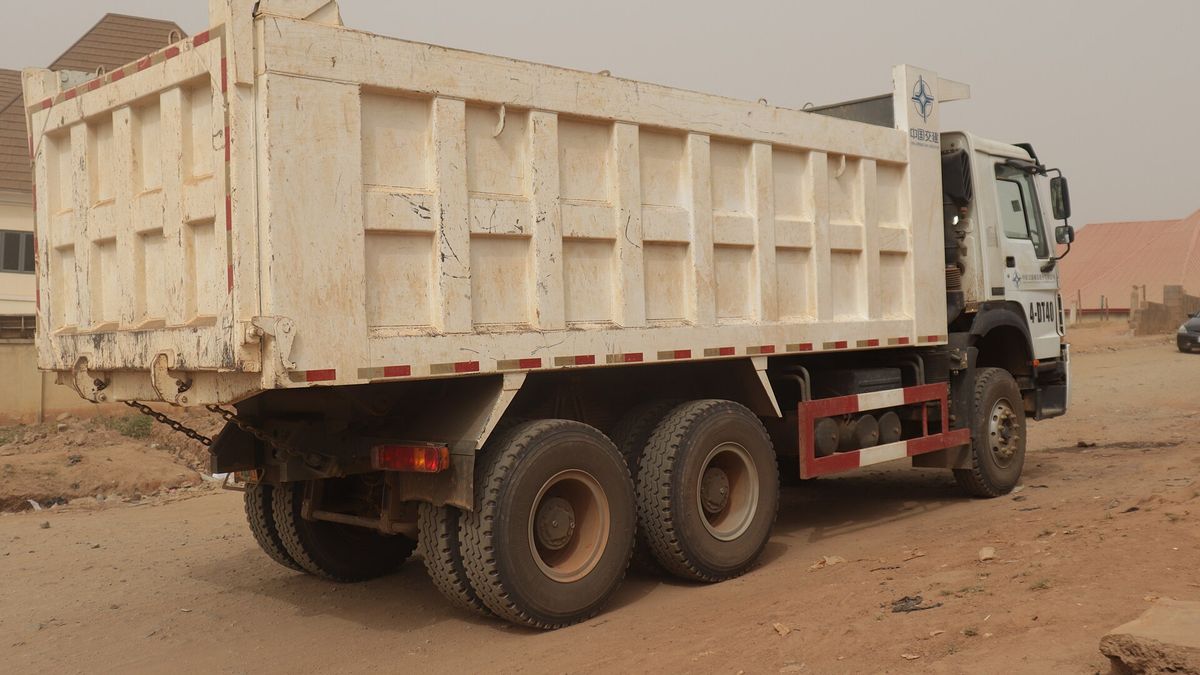
On construction sites, in quarries and along West Africa's road corridors, Sinotruk Howo, Shacman and FAW trucks have become a familiar sight. For a long time, the heavy truck market in Africa was dominated by European and Japanese trucks, often imported second-hand. What happened? Here is what the figures and industry players say, without exaggeration.
Exports that soared in just a few years
The case of Sinotruk, one of China's largest heavy truck manufacturers, illustrates the trend well. According to the South African magazine Focus on Transport:
- between 2011 and 2020, its annual exports ranged between 20,000 and 40,000 trucks;
- they rose to 54,050 trucks in 2021, then 88,525 in 2022;
- in 2025, they exceeded 153,000 heavy trucks, up more than 14% year on year, a record for the group.
The same magazine wrote in 2024 that the group's Howo and Sitrak brands are "extremely popular in Africa". These are manufacturer figures reported by the trade press, but they show the scale of the movement.
1. A more affordable purchase price
The argument that comes up most often is price. As early as 2013, a Sinotruk truck dealer in Nigeria told the newspaper BusinessDay that imported used trucks cost about the same as new Chinese trucks. For a haulier, the comparison then becomes simple: for a similar budget, a new truck, with no history and no hidden wear.
The dealer added that many banks refused to finance used trucks, which also pushes buyers towards new ones. This is a seller's point of view, which should be kept in mind, but it matches what can be seen on the ground.
2. Parts that are increasingly available
A truck is only profitable if it runs. The same Nigerian dealer stressed the stock of spare parts kept locally to provide after-sales service. The more widespread a brand is in a region, the easier it becomes to find parts and mechanics who know it: it is a circle that grows stronger with the number of trucks on the road.
This still varies by country and model. Before buying, always check the availability of parts near you, especially for an uncommon model.
3. Engines suited to the available diesel
A large share of the Chinese trucks offered for West Africa are fitted with Euro II, III or V engines, rather than the latest Euro VI versions sold in Europe. This is the case for most of the models in our catalogue.
This matters: according to the International Council on Clean Transportation (ICCT), the emission control systems of Euro VI engines need diesel with no more than 10 ppm of sulphur, and prolonged use of higher-sulphur diesel can damage them. An engine designed for the fuel actually available in your country avoids costly breakdowns. At the same time, check the minimum standard required for imports in your country, which may change.
4. Configurations designed for work
Chinese manufacturers offer a very wide range of configurations: 6x4 and 8x4 tippers for construction, tractors for the corridors, water or fuel tankers, concrete mixers, crane trucks. For the same model, you can often choose the power, the gearbox, the body volume, or left- or right-hand drive. This flexibility makes it possible to buy a truck that precisely matches the business, rather than settling for whatever is available on the used market.
What about durability?
It is a legitimate question, and there is no independent study that reliably compares the service life of brands on African roads. A truck's service life depends mainly on three things: choosing the right configuration for the job, respecting authorised loads and the quality of maintenance. Our article on truck maintenance covers this last point in detail.
In summary
Chinese trucks are gaining ground in Africa because they combine an affordable purchase price, increasingly available parts and a very wide range of configurations. They remain an investment to prepare carefully. Discover our Sinotruk and Shacman selections or the whole catalogue.
Planning to buy a truck?
Tell us what you need: we will reply with a detailed quote within 48 business hours.