Tipper, tractor, tanker: which truck for which business?
Choosing a truck means first choosing a work tool. An excellent road tractor will be a poor purchase for a construction site, and a tipper will never replace a tanker. Here are the main families of trucks, what they are used for and the points to check for each.
First of all: understanding 4x2, 6x4 and 8x4
These figures describe the truck's wheels. The first gives the number of wheel positions (two per axle), the second the number of driven wheels:
- 4x2: 2 axles, 1 of them driven. Light and economical, for town and medium loads.
- 6x4: 3 axles, 2 of them driven. The most common format for site tippers and tractors.
- 8x4: 4 axles, 2 of them driven. For heavy loads: more axles means more authorised weight.
- 6x6: all wheels are driven, for very difficult terrain.
The number of axles also matters legally. In WAEMU (UEMOA) countries, regulation no. 14/2005 limits the gross vehicle weight to 18 tonnes for a 2-axle rigid truck, 26 tonnes for 3 axles and 31 tonnes for 4 or more axles.
The tipper truck: for construction, quarries and mines
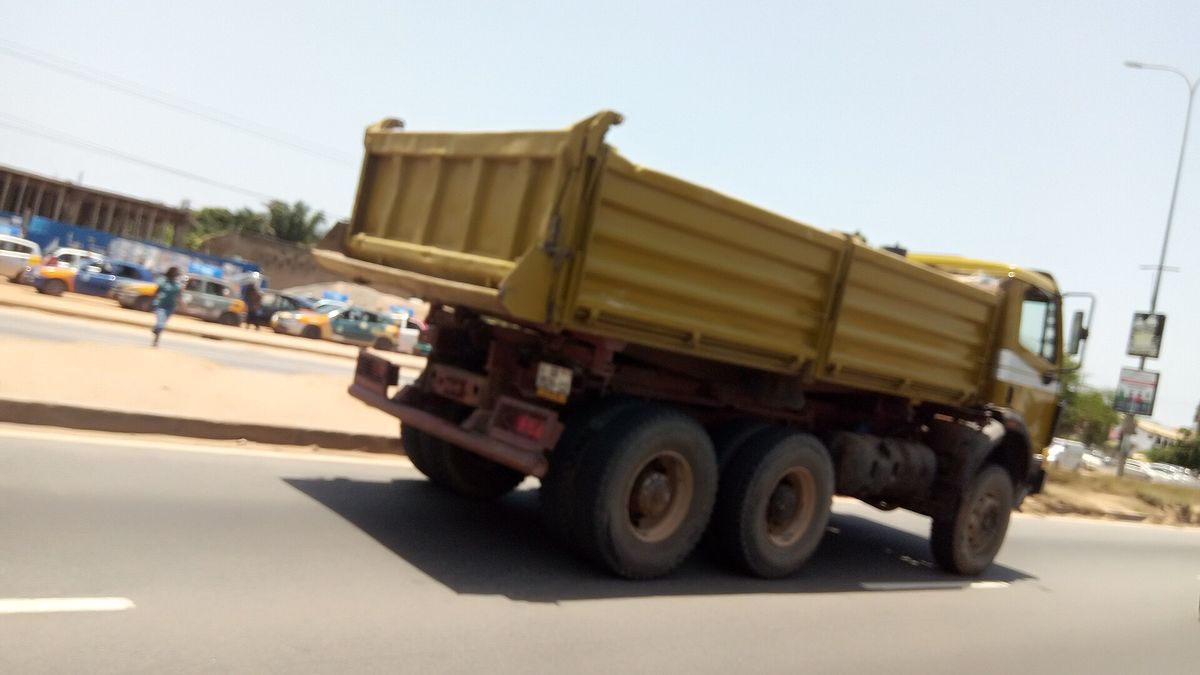
The tipping body is used to carry bulk materials: sand, gravel, laterite, earth, ore. It is the truck of construction sites, road works and quarries.
Points to check:
- The body volume, in cubic metres, and the thickness of its steel plates (floor and sides) if you carry stones or ore.
- The configuration: a 6x4 suits most sites; an 8x4 lets you carry more while staying within the law.
- The terrain: for tracks and quarries, look for rear axles with hub reduction, differential locks and ground clearance.
- Beware of volume: a large body filled with heavy materials can exceed the authorised weight. Calculate the real weight of the load, not just the volume.
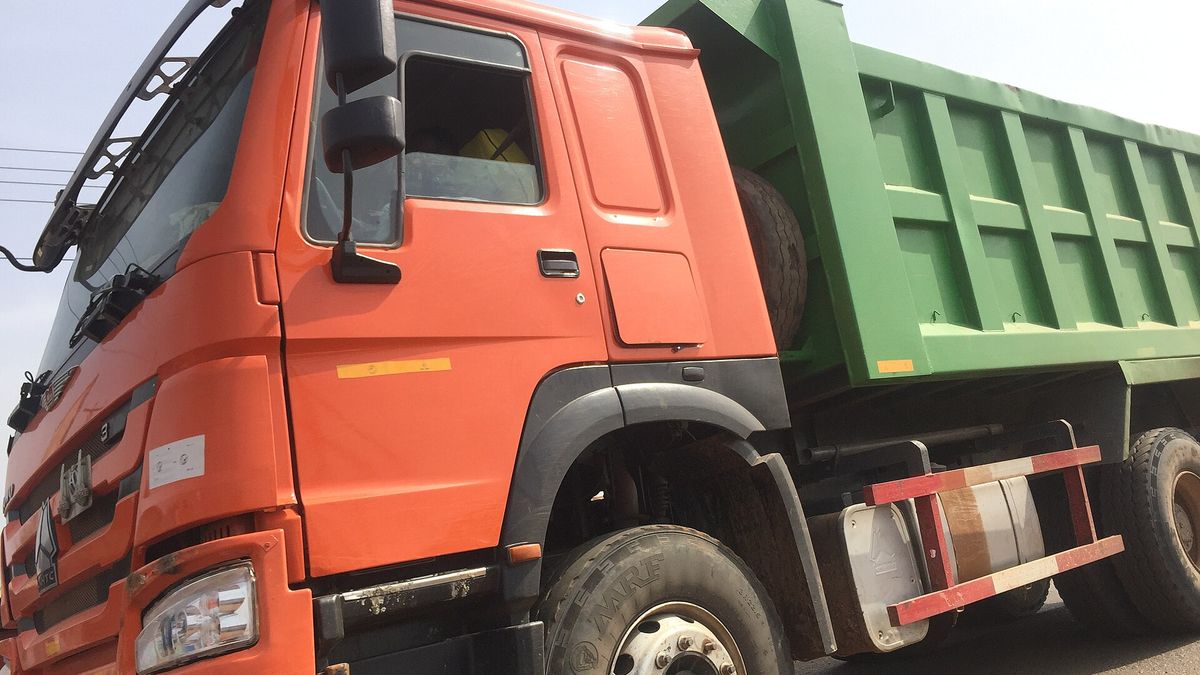
Example: the Sinotruk Howo 6x4 20 m³ 371 hp tipper, which we present in detail as our model of the week.
The road tractor: for goods and containers
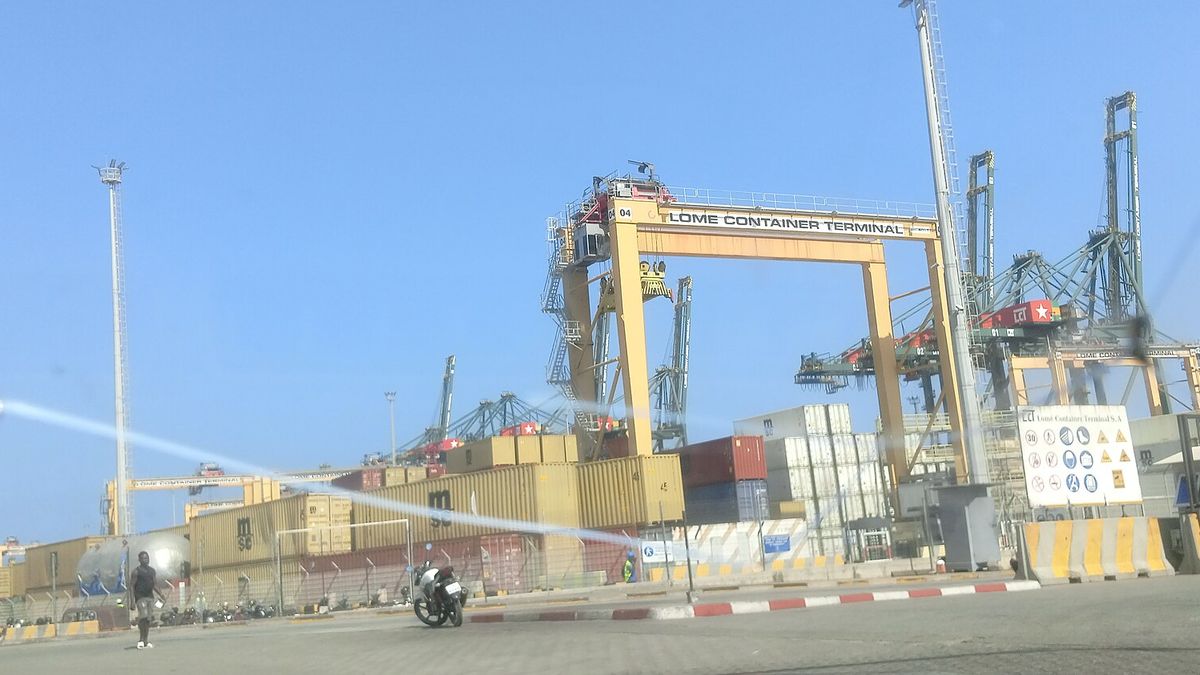
The tractor has no body: it pulls a semi-trailer. It is the truck for long-distance goods transport, for containers between ports and the hinterland, and for regional corridors such as Lomé–Ouagadougou or Abidjan–Bamako.
Points to check:
- Power and torque, suited to the total weight you will pull and to the terrain.
- The semi-trailer: flatbed, container carrier, tipper, tanker or box. The same tractor can pull several types of trailer, which gives your business flexibility.
- The gross combination weight: in the WAEMU, it is limited to 51 tonnes for a combination with 6 or more axles.
- Cab comfort (sleeper, air conditioning) for drivers who spend several days on the road.
Examples: the Shacman X5000 430 hp tractor or the Shacman 3-axle flatbed semi-trailer.
The tanker: for fuel and water
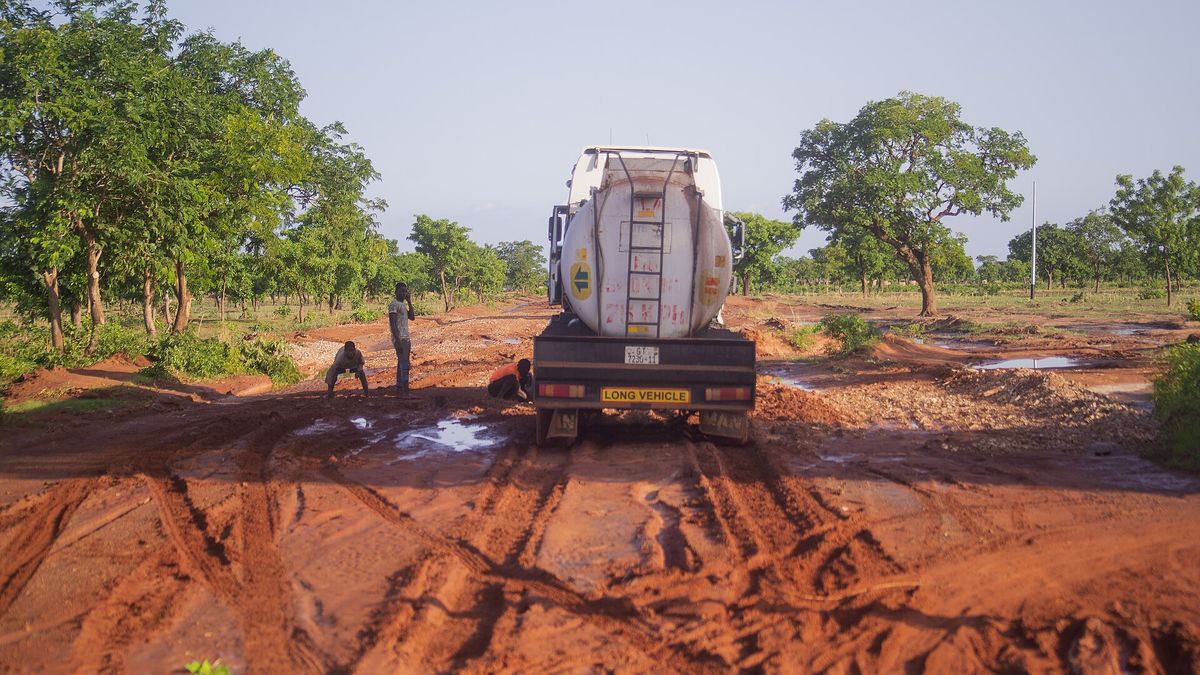
The tanker truck carries liquids. There are two very different uses:
- The fuel tanker, for supplying filling stations, construction sites and mining sites. Transporting hydrocarbons is a high-risk activity, governed by specific rules (approvals, safety equipment). The WAEMU regulation also provides for heavier penalties for overloaded hydrocarbon tankers. Check with the authorities in your country before getting started.
- The water tanker, for water supply, watering sites and tracks, or municipal services.
Points to check: the volume in cubic metres, the number of compartments, the tank material, the pump and the safety equipment. Example: the Sinotruk Howo 6x4 20 m³ water tanker.
Other families to know
- The rigid truck (flatbed or box) for distributing goods between warehouses, markets and shops. Example: the Sinotruk Howo 4x2 10 t rigid truck.
- The concrete mixer truck for delivering ready-mixed concrete. Example: the Shacman F3000 6x4 mixer.
- The crane truck, which combines transport and lifting on site.
- The refuse truck for municipalities and cleaning companies.
The right reflex
Start from your business, not from the truck: what you carry, the real weight, the terrain and the distance. The right type of truck follows almost naturally. If you are hesitating between two configurations, contact us describing your business: we will help you choose before preparing a quote.
Planning to buy a truck?
Tell us what you need: we will reply with a detailed quote within 48 business hours.