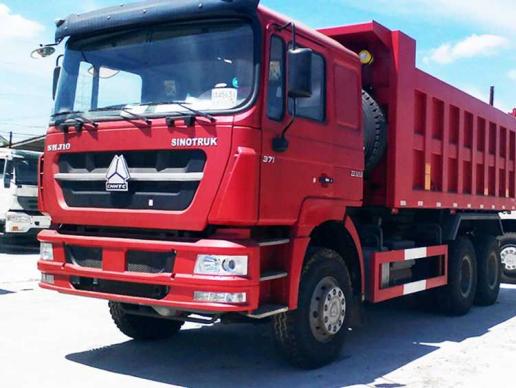
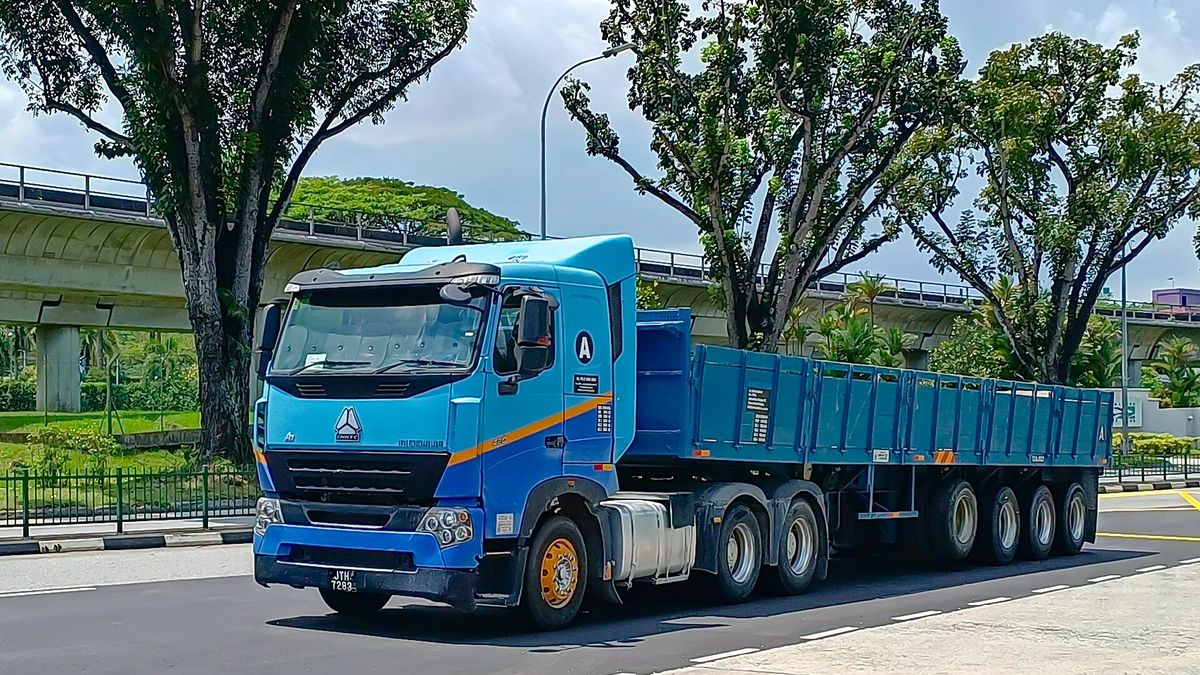
Maintaining your truck so it lasts longer
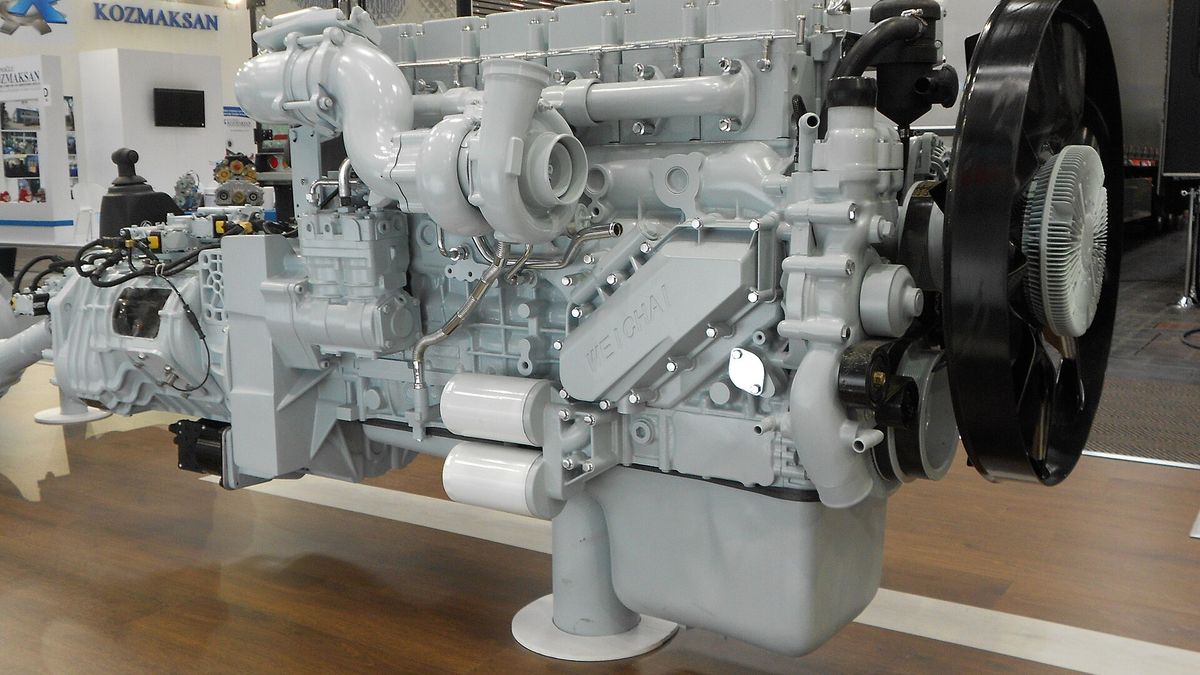
Two identical trucks, bought on the same day, can have very different lives. One will still be running years later, the other will spend its time in the workshop. The difference rarely comes down to luck: it almost always comes down to maintenance and the way the truck is used. Here are the basic rules to protect your investment.
1. The manufacturer's manual is the law
Each manufacturer sets its own maintenance intervals: oil changes, filters, greasing, adjustments. They vary from one brand and one engine to another. So there is no universal rule such as "change the oil every X kilometres" that applies to all trucks.
Keep your truck's maintenance manual (ask for it at purchase if it is not supplied) and follow its schedule. For the trucks in our catalogue, we can help you obtain the documentation and part numbers.
2. In difficult conditions, service more often
Most manufacturers distinguish between "normal" and "severe" use. The severe conditions that come up most often in their manuals:
- dust: tracks, quarries, construction sites;
- a load regularly close to the authorised maximum;
- long periods of engine idling;
- a lot of stopping and starting.
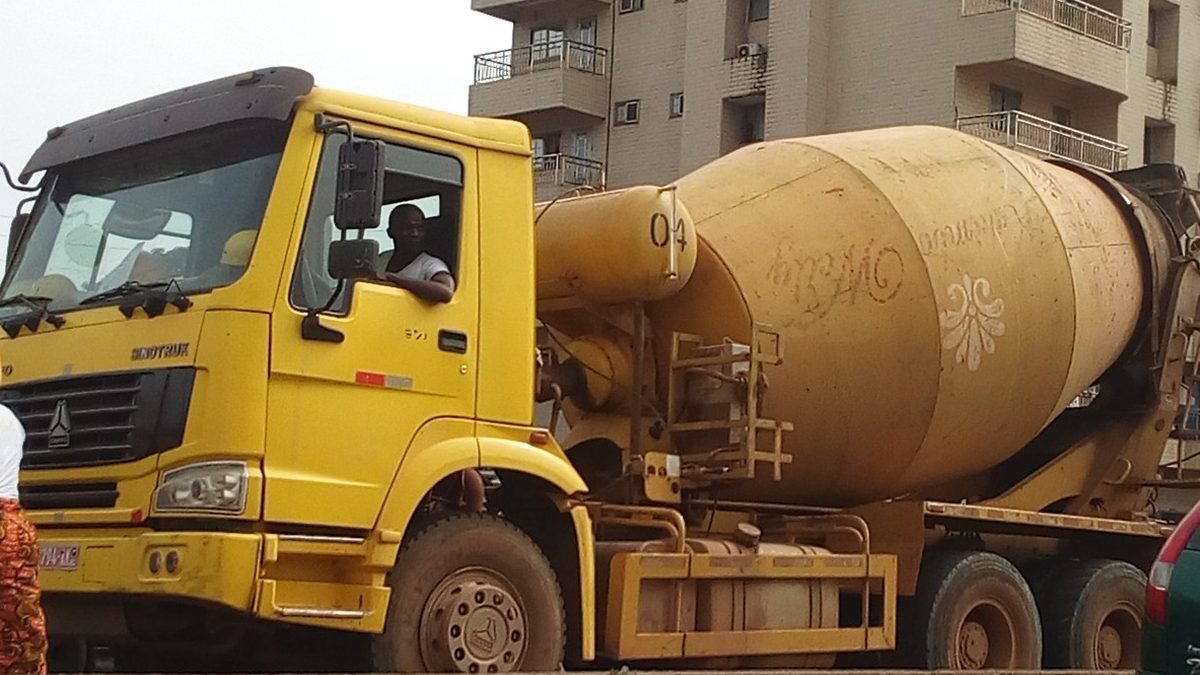
In these conditions, the manuals provide for shorter intervals. In West Africa, many construction trucks combine several of these conditions: refer to the "severe" schedule in your manual if there is one.
The air filter deserves particular attention. In a dusty environment, manufacturers recommend checking it more often, for example at every oil change, and replacing it as soon as necessary. A clogged filter increases consumption and lets through dust that wears the engine.
3. Pay attention to fuel
Diesel is the element that is checked the least, even though it matters enormously.
- Buy from reliable stations. Dirty or adulterated diesel clogs filters and can damage injectors.
- Change the fuel filters according to the manufacturer's schedule, and drain water from the pre-filter if it has one.
- Recent engines: according to the International Council on Clean Transportation (ICCT), the emission control systems of Euro VI engines need diesel with no more than 10 ppm of sulphur. Prolonged use of higher-sulphur diesel can damage their catalysts and particulate filter.
4. Do not overload
Overloading wears everything out faster: tyres, brakes, suspension, axles, chassis. It is also a safety risk and a source of fines. In WAEMU countries, regulation no. 14/2005 sets maximum loads per axle and the authorised gross weight according to the number of axles (for example 26 tonnes for a 3-axle rigid truck). Respecting these limits also extends the life of your truck.
5. Take care of the tyres
Tyres are one of a truck's biggest expense items. A few simple reflexes:
- check the pressure regularly, when cold, according to the tyre manufacturer's values;
- inspect them for cuts, bulges and uneven wear (which often signals an alignment or suspension problem);
- check the spare wheel.
6. Walk around the truck every day
Before setting off, a few minutes are enough for the driver to spot a problem before it becomes a breakdown:
- engine oil and coolant levels;
- leaks under the truck;
- tyre condition and pressure;
- lights and indicators;
- warning lights on the dashboard after start-up;
- draining the air tanks of the braking system, if the manufacturer requires it.
7. Use good parts and keep a logbook
Poor-quality parts cost less at the time, but can cause chain-reaction breakdowns. Favour genuine parts or parts of equivalent quality, especially for filters, brakes and the clutch. We supply genuine spare parts for all the brands in our catalogue.
Record every job in a logbook: date, mileage, work carried out, parts replaced. This record helps you anticipate servicing and adds value to your truck on the day you sell it.
8. Keep up with roadworthiness inspections
In the WAEMU, regulation no. 14/2005 requires heavy vehicles to undergo periodic roadworthiness inspections, with a minimum frequency of six months, at approved centres. It is an obligation, but also an opportunity to have your truck's condition checked by an outside eye.
In summary
Following the manual, adapting maintenance to real conditions, taking care of fuel and tyres, not overloading and keeping a logbook: nothing complicated, but it is what makes the difference over time. Need parts or advice? Contact us.
Planning to buy a truck?
Tell us what you need: we will reply with a detailed quote within 48 business hours.
Sources
- DieselHub: manufacturer maintenance schedule (severe conditions and air filter example)
- FleetRabbit: adjusting maintenance for severe conditions (fleet software publisher)
- ICCT: impact of diesel sulphur content on Euro VI vehicles
- WAEMU Regulation No. 14/2005/CM/UEMOA (permitted loads, roadworthiness test)