5 questions to ask before buying a truck
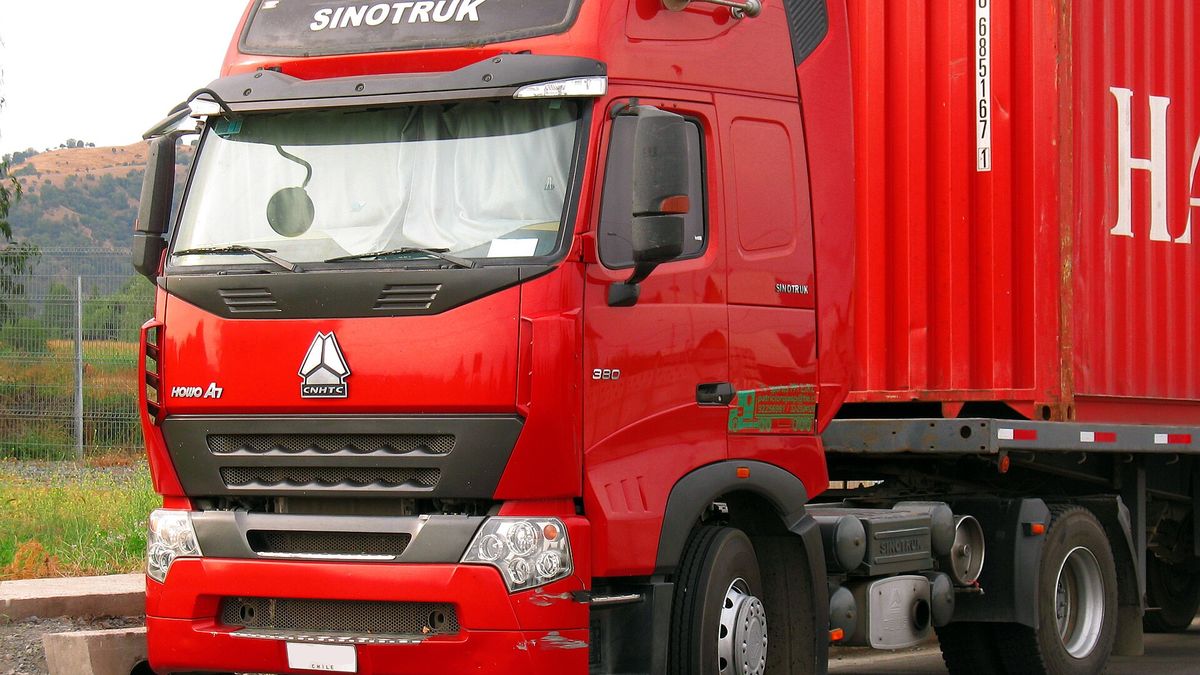
A truck is a major purchase, and there is no turning back once it has crossed the ocean. Before asking for a price, take the time to answer these five questions. They will keep you from buying a truck that is poorly suited, too expensive to run or impossible to repair near you.
1. What exactly will the truck be used for?
"A truck for construction" is not enough. Specify:
- what you carry: sand, gravel, containers, fuel, general goods, water;
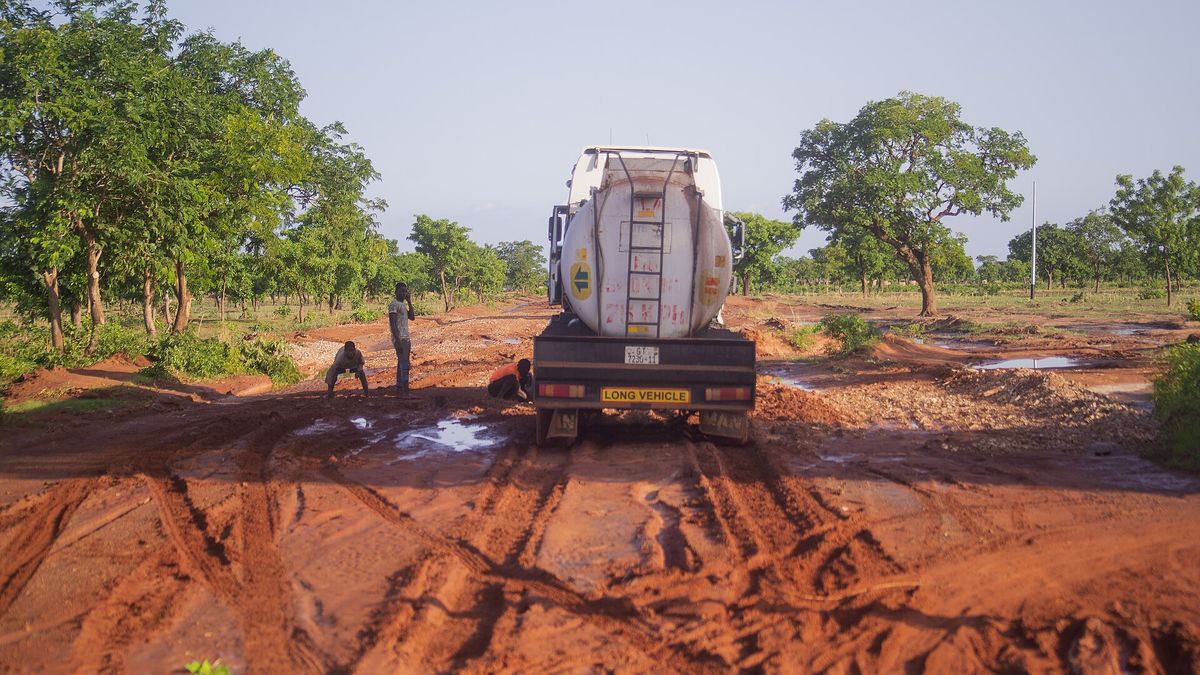
- where you drive: in town, on paved roads, on dirt tracks, on a construction site or in a quarry;
- over what distance: a few kilometres between a quarry and a site, or hundreds of kilometres along a regional corridor.
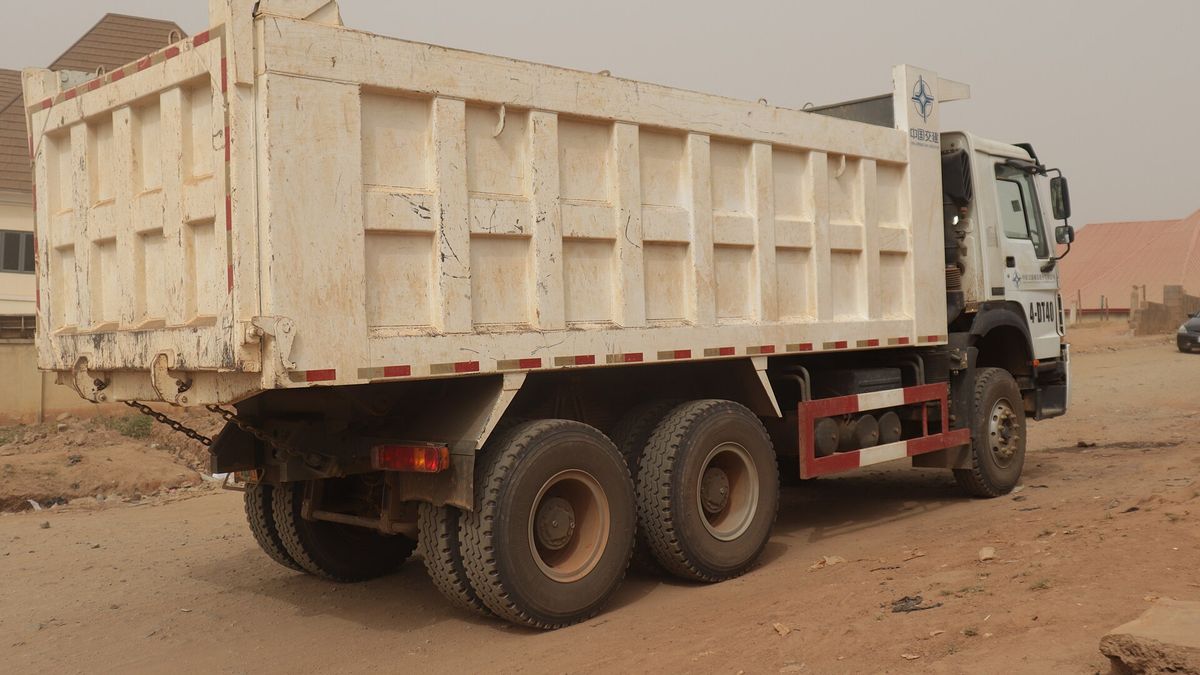
These answers determine the type of truck (tipper, tractor, rigid, tanker), the number of driven axles and the power required. Our article Tipper, tractor, tanker: which truck for which business? helps you make this first choice.
2. What load will you really carry, and what does the law allow?
A truck is chosen first according to the load it can carry legally. In WAEMU (UEMOA) countries, including Togo, regulation no. 14/2005/CM/UEMOA sets the gross vehicle weight according to the number of axles:
- 18 tonnes for a 2-axle rigid truck;
- 26 tonnes for a 3-axle rigid truck;
- 31 tonnes for a rigid truck with 4 or more axles;
- up to 51 tonnes for a tractor and semi-trailer combination with 6 or more axles.
The same text provides for fines per tonne of overload (20,000 FCFA for domestic transport and 60,000 FCFA for inter-state transport in its original version, amounts subject to revision) and the obligation to unload the excess before moving on. If your business requires carrying more than a 3-axle rigid truck allows, it is better to choose an 8x4 or a tractor than to overload a smaller truck.
3. Which engine standard, and what fuel will you find?
Recent Euro VI engines are fitted with emission control systems (particulate filter, SCR catalyst) that need diesel with very low sulphur content. According to the International Council on Clean Transportation (ICCT), fuel with more than 10 ppm of sulphur is a problem for these vehicles, and prolonged use of 50 ppm diesel can damage their catalysts.
Conversely, some countries set a minimum standard for imported vehicles. In 2020, ECOWAS ministers adopted a 50 ppm sulphur limit for imported fuels and a Euro 4/IV requirement for vehicles imported from 2021. Implementation varies from country to country: ask your freight forwarder which standard is actually required for imports in your country before choosing an engine.
4. How much will the truck cost once delivered and cleared?
A truck price must always be read with its Incoterm, the international rule that specifies who pays for what. The two most common for a truck coming from China:
- FOB (free on board): the price covers the truck loaded on the ship in China. Sea freight and insurance are at your expense.
- CIF (cost, insurance and freight): the seller also pays for transport and insurance to your port.
Be careful: under the International Chamber of Commerce's Incoterms 2020, in both cases the risk passes to the buyer as soon as the truck is loaded on board in China. Under CIF, the minimum compulsory insurance is limited ("C" clauses); you can ask for broader cover.
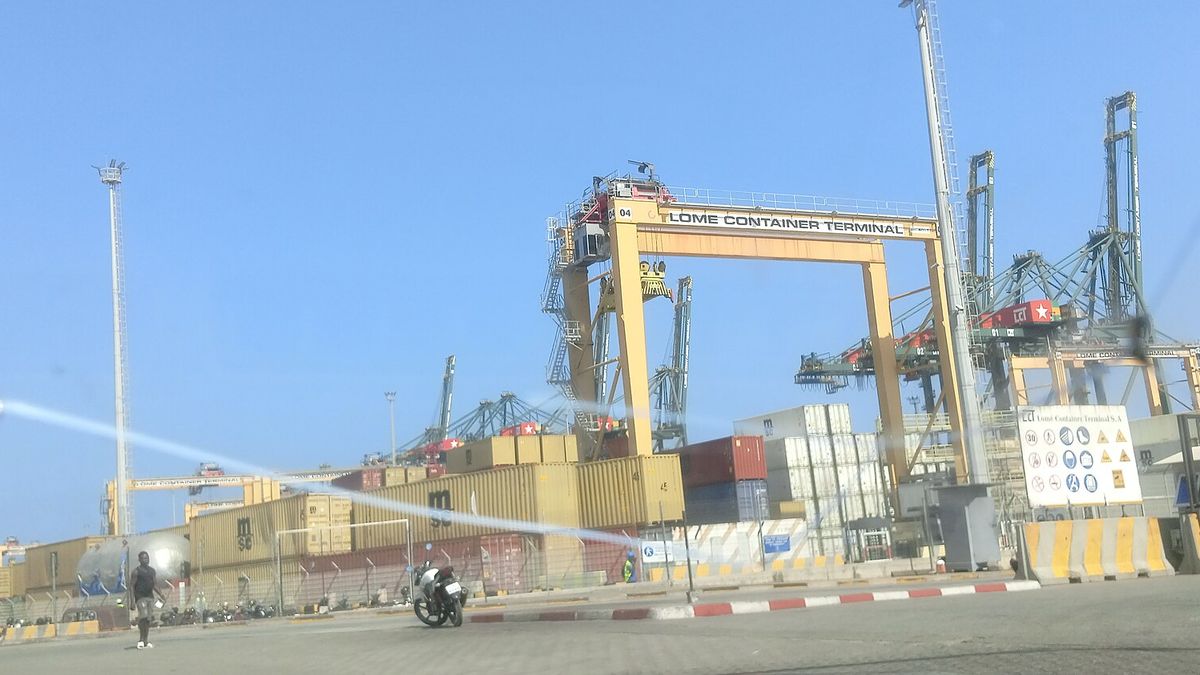
Neither of these prices includes customs duties, VAT, port charges on arrival or registration. Ask your freight forwarder for an estimate of these costs to complete your budget.
5. Who will repair the truck, and with what parts?
A truck that is off the road earns nothing. Before buying, check:
- that mechanics near you know the brand and the engine;
- that common wear parts (filters, brake pads, clutch, tyres in the right sizes) can be found locally or ordered quickly;
- that you will have the manufacturer's documentation (maintenance manual, part numbers).
Choosing a brand and an engine that are already widespread in your region makes repairs much easier.
In summary
Use, legal load, standard and fuel, total cost, parts: if you have a clear answer to these five questions, you are ready to compare offers. You can browse our catalogue or describe your needs: we will reply with a detailed quote within 48 business hours.
Planning to buy a truck?
Tell us what you need: we will reply with a detailed quote within 48 business hours.