10-wheel vs 12-wheel truck: which one should you choose?
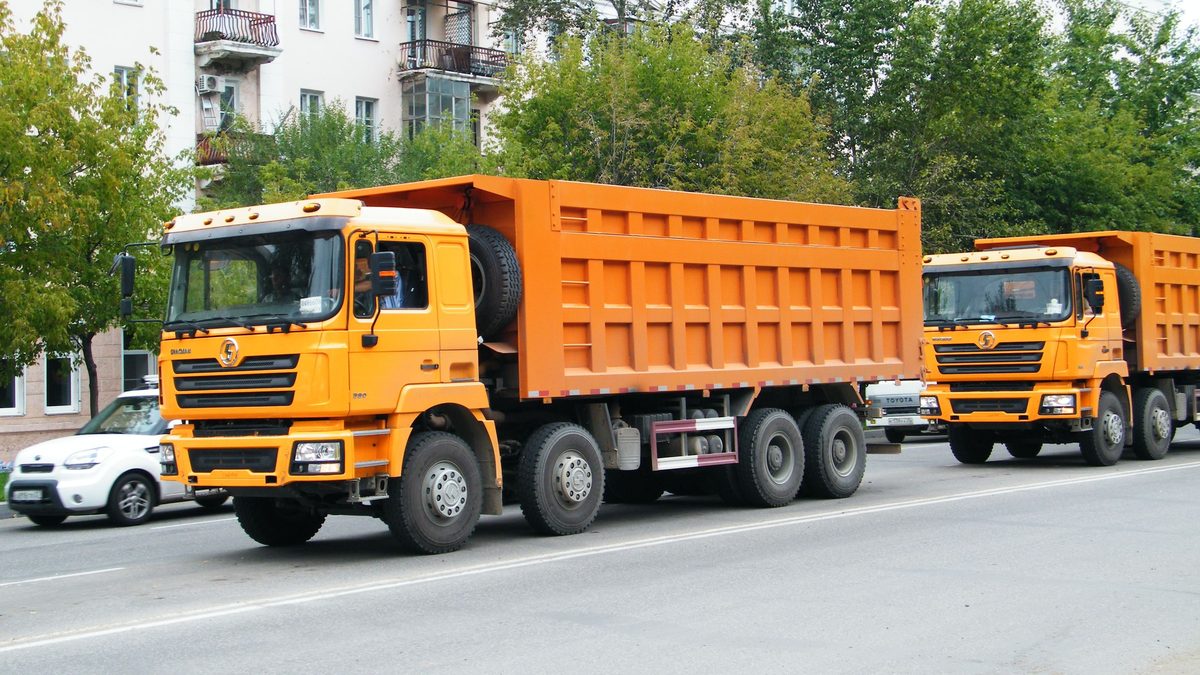
10-wheel vs 12-wheel truck: the 10-wheeler (6x4) is shorter, more manoeuvrable and enough for most sites; the 12-wheeler (8x4) carries a little more while staying within the law and takes a larger body. On the road, the difference in authorised load is only 2 to 3 tonnes. Here is how to choose according to your business.
6x4 or 8x4: what really changes
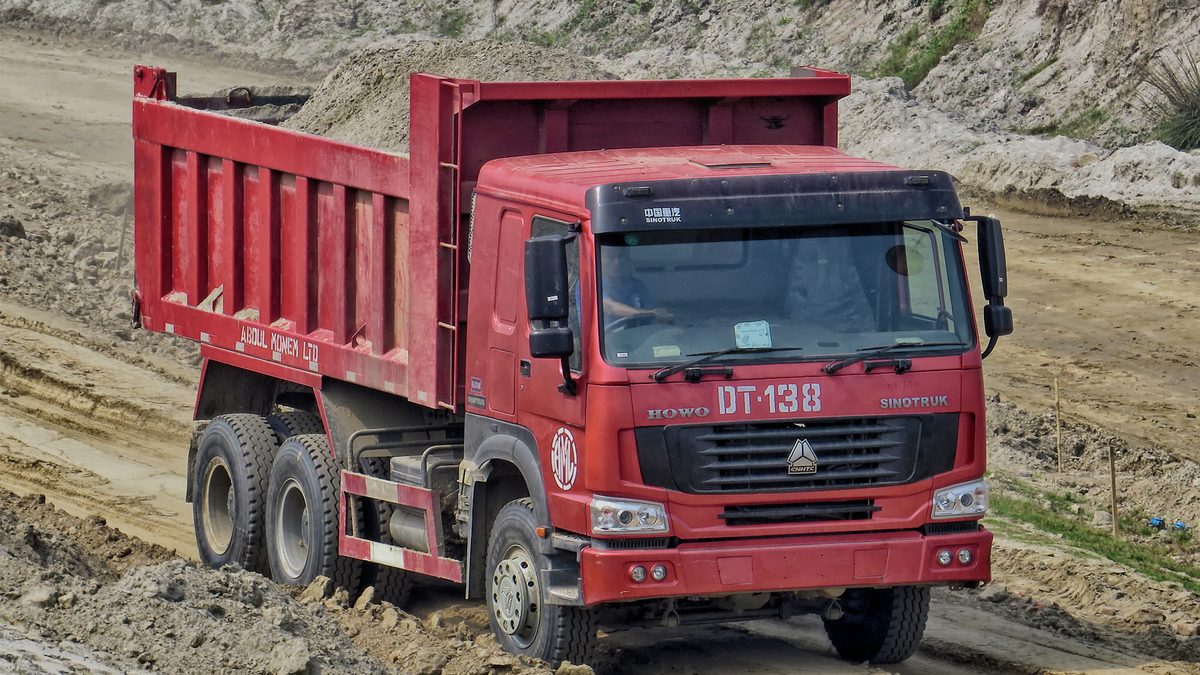
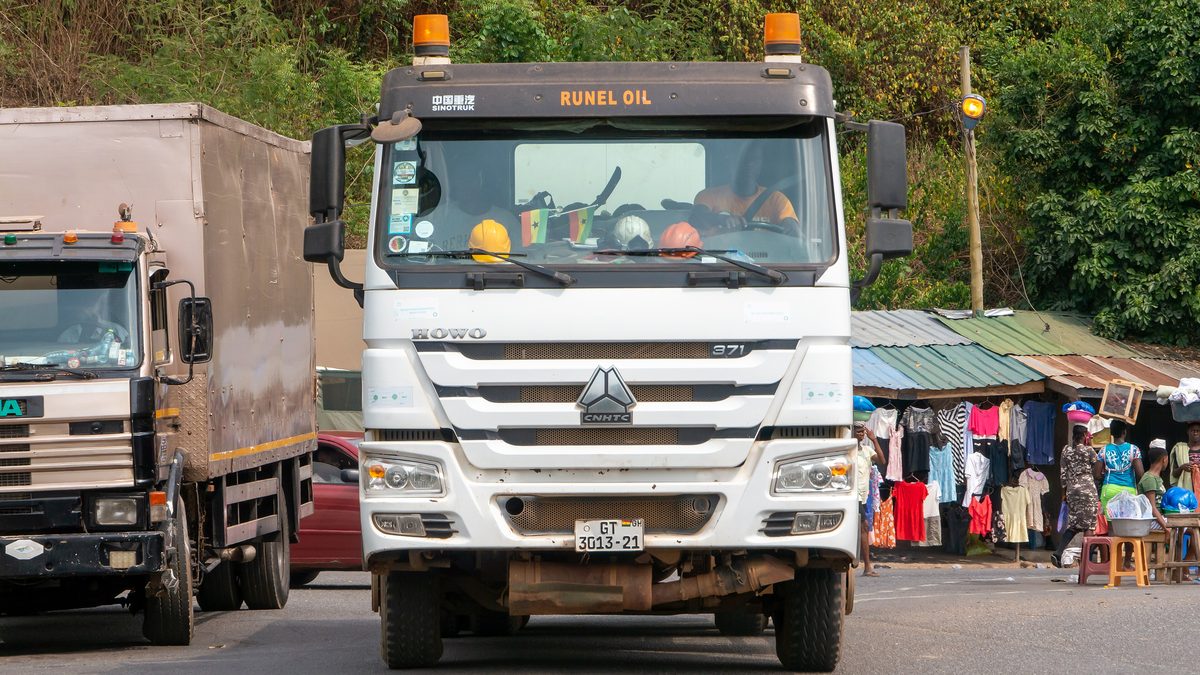
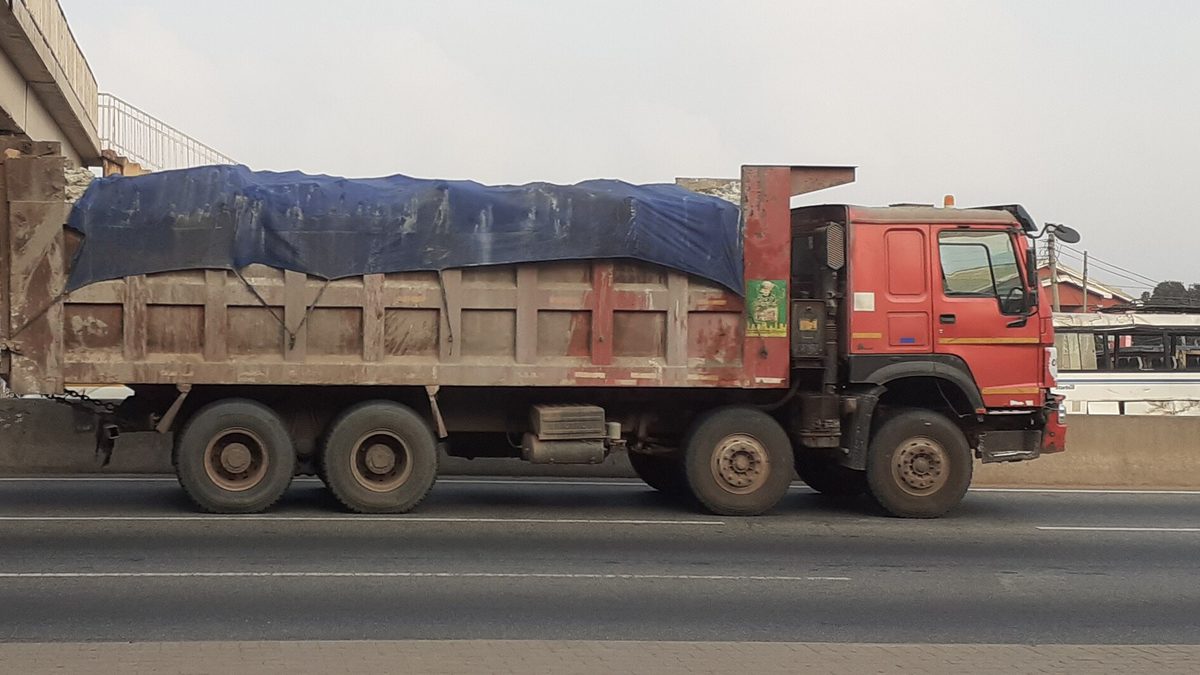
The 10-wheeler is a 6x4: one axle at the front, two at the rear. The 12-wheeler is an 8x4: two axles at the front, two at the rear. In both cases, only the two rear axles are driven. The extra axle on the 12-wheeler is a steering axle: it spreads the weight but adds no traction.
Here are the figures for the Howo dump truck versions in our catalogue, which we detail in our articles on the 10-wheel dump truck and the Howo 12-wheeler truck:
| Feature | 10-wheeler (6x4) | 12-wheeler (8x4) |
|---|---|---|
| Axles | 3 | 4 |
| Usual body volume | 16 to 22 m³ | 20 to 30 m³ |
| Overall length | 8.4 to 8.75 m | 10.1 to 10.8 m |
| Empty weight | about 12 to 13 t | about 15 to 16 t |
| Gross weight allowed (UEMOA) | 26 t | 31 t |
| Load allowed on the road | about 13 to 14 t | about 15 to 16 t |
| Number of tyres | 10, plus the spare wheel | 12, plus the spare wheel |
The load: a smaller gap than you might think
In UEMOA countries, regulation no. 14/2005 allows 26 tonnes in total for a 3-axle rigid truck and 31 tonnes for a 4-axle rigid truck. But the 12-wheeler itself weighs about 3 tonnes more when empty. As a result, on the road it legally carries only 2 to 3 tonnes more than the 10-wheeler.
The real difference shows off the road, in quarries and mining sites. There, the technical capacity of the truck is what counts, and the 12-wheeler, with its four axles, copes better with heavy loads. Always respect the technical gross weight given by the manufacturer for your version.
When to choose a 10-wheel truck
- Sites in town or narrow streets, in Lomé, Cotonou or Abidjan: the 10-wheeler is about 1.5 to 2 metres shorter and turns more easily.
- Deliveries of sand, gravel or earth by road, where the authorised load does not exceed 13 to 14 tonnes.
- Tracks and road works, where its manoeuvrability is an advantage.
- Lower maintenance costs: two fewer tyres to replace, one less axle and steering to maintain.
When to choose a 12-wheel truck
- Quarries and mines, where the truck mostly runs off the road with heavy loads.
- Light, bulky materials, which need a large 25 to 30 m³ body.
- Long rotations between a quarry and a site, for example around Ouagadougou, Bamako or Niamey, when every extra tonne per trip counts.
- Better stability with a large loaded body, thanks to the weight spread over four axles.
The Chinese 12-wheel truck: which brands?
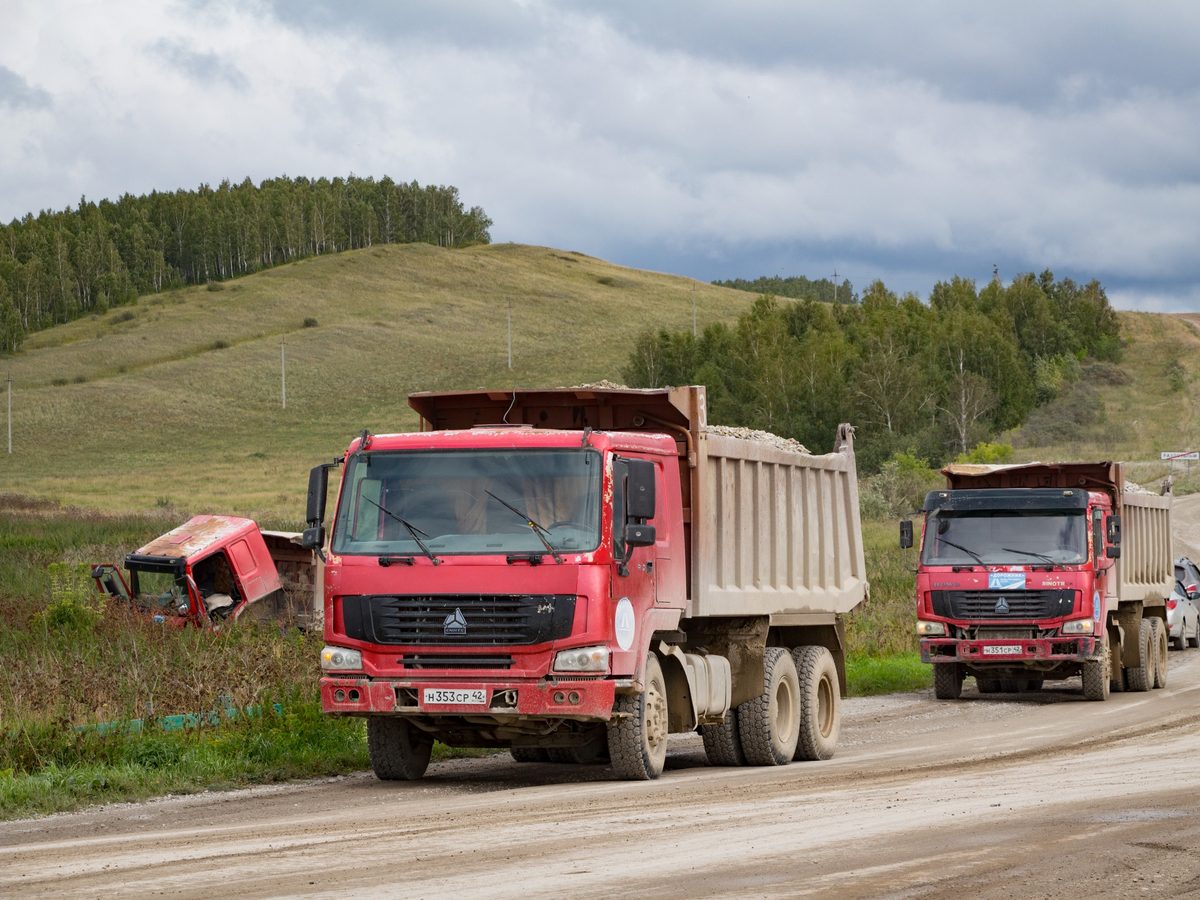
Both configurations exist from the main Chinese manufacturers. As 12-wheelers, there are in particular Sinotruk's Howo 8x4 and the Shacman F3000 8x4 dump truck. As a 10-wheeler, the Howo 6x4 is a very common model. To see all versions, browse our 6x4 and 8x4 dump trucks.
Our advice for choosing
Ask yourself three questions: where does the truck run (road or quarry), what does it carry (heavy or bulky) and which streets must it get through. If most of your trips are by road with sand or gravel, the 10-wheeler is often the most sensible choice. If you work mainly in quarries or with large volumes, the 12-wheeler is justified.
Frequently asked questions: 10-wheel vs 12-wheel truck
What is the difference between a 6x4 and an 8x4?
The 6x4 has 3 axles (10 wheels), the 8x4 has 4 (12 wheels). In both cases, two rear axles are driven. The extra axle of the 8x4 is a second steering axle at the front.
Does a 12-wheeler carry much more than a 10-wheeler?
On the road, no: in UEMOA, it legally carries only 2 to 3 tonnes more, because it weighs about 3 tonnes more when empty. Off the road, in a quarry, the gap is larger.
Is a 12-wheeler more expensive to maintain?
It has two more tyres and one more steering axle to maintain. The rest of the mechanics (engine, gearbox, rear axles) is often the same as on the 10-wheeler.
Which one should I choose to carry sand?
By road, a 10-wheeler is usually enough. To help you choose according to your trips, write to us on WhatsApp describing your business.
Unsure between a 10-wheeler and a 12-wheeler?
Tell us what you carry and where you drive: we will help you choose. Write to us on WhatsApp to find out more.